Knowledge Base
All articles filed under Knowledge Base — 106 articles.
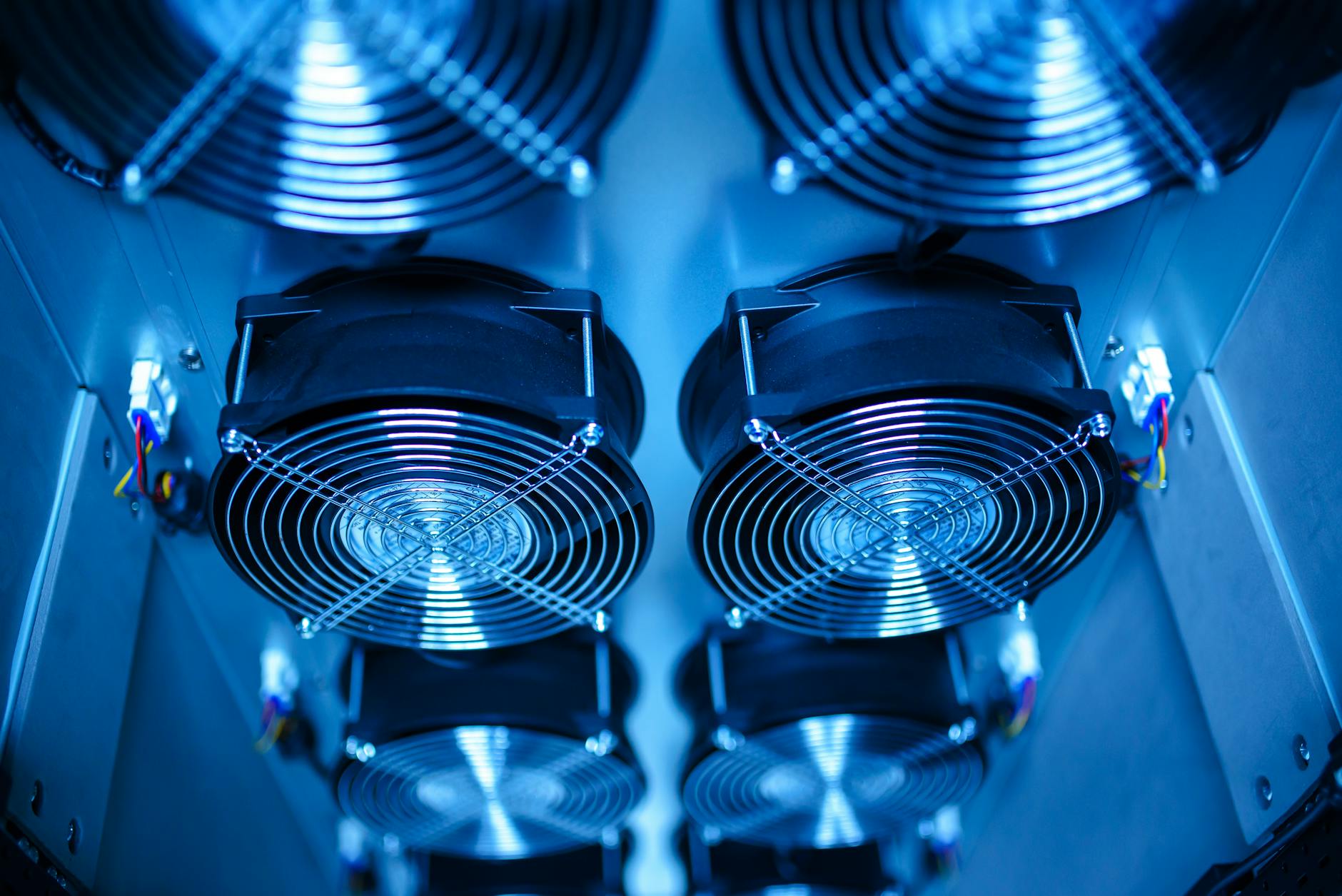
SWaP Considerations in Thermal Camera Modules
SWaP considerations in thermal camera modules, including detector choice, optics, power, cooling, interfaces, and OEM integration trade-offs for embedded OEMs.
Read More →
How to Integrate an Infrared Module into a Gimbal System
Infrared module gimbal integration guide covering mechanics, power, video, thermal design, calibration, and acceptance testing for OEM projects.
Read More →
How to Integrate a Thermal Camera Core into an EO/IR System
Learn how to integrate a thermal camera core into an EO/IR system, including interfaces, optics, calibration, latency, and OEM selection trade-offs for OEMs.
Read More →
Why Industrial Equipment Inspection Depends on Infrared Thermography
Infrared thermography for industrial equipment inspection helps detect overheating, bearing friction, insulation loss, furnace faults, and maintenance risks.
Read More →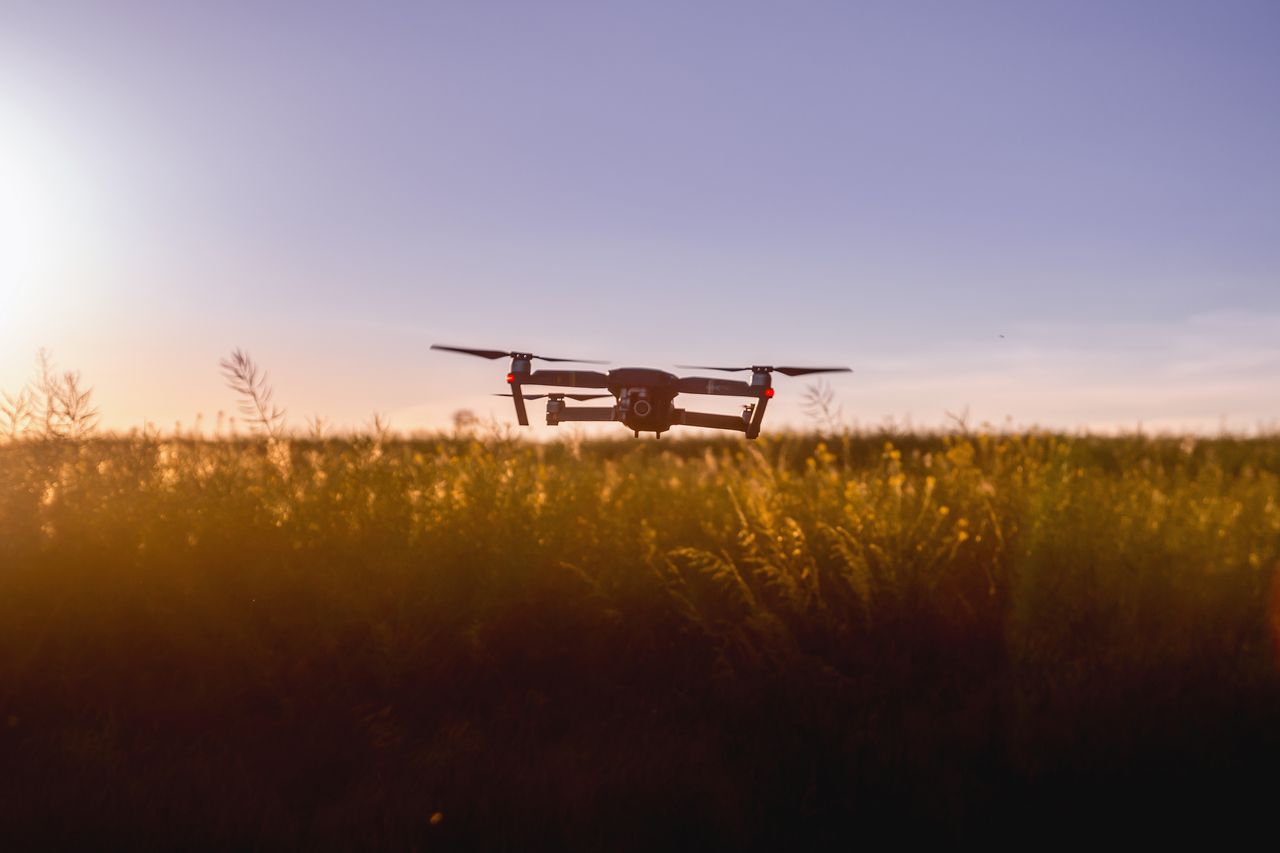
What Application Opportunities Does Thermal Imaging Have in the Low-Altitude Economy?
Low-altitude thermal imaging helps UAV teams detect heat, people, vehicles, faults, and risks in inspection, rescue, security, and city operations.
Read More →
Can Infrared Modules Be Used on Drones?
Learn how to choose an infrared module for drones by matching resolution, weight, power, interface, stabilization, and temperature measurement needs.
Read More →
Thermal Imaging for Ground Robots
Thermal imaging for ground robots improves perception in darkness, smoke, dust, and clutter by matching LWIR, MWIR, SWIR, optics, and interfaces to OEM tasks.
Read More →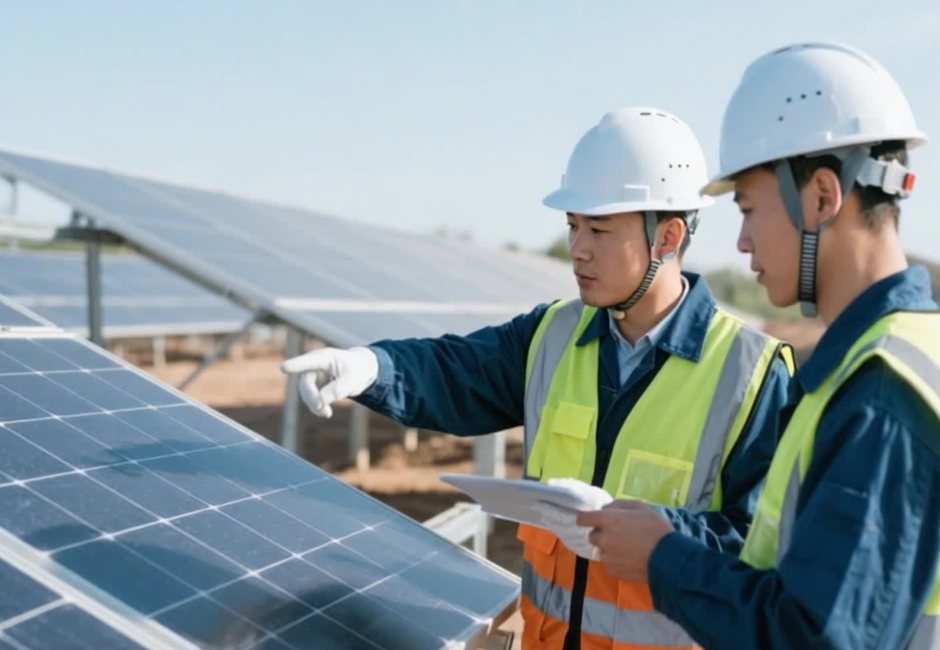
Why Is Infrared Thermography Well Suited for Photovoltaic Panel Inspection?
Photovoltaic panel infrared thermography helps detect hot spots, diode faults, junction-box heating, and UAV inspection risks without shutdown.
Read More →
Thermal Imaging for Solar Panel Inspection
Thermal imaging for solar panel inspection helps OEM teams choose IR modules, optics, calibration, and UAV workflows for reliable PV hot-spot detection.
Read More →