LWIR
All articles filed under LWIR — 64 articles.
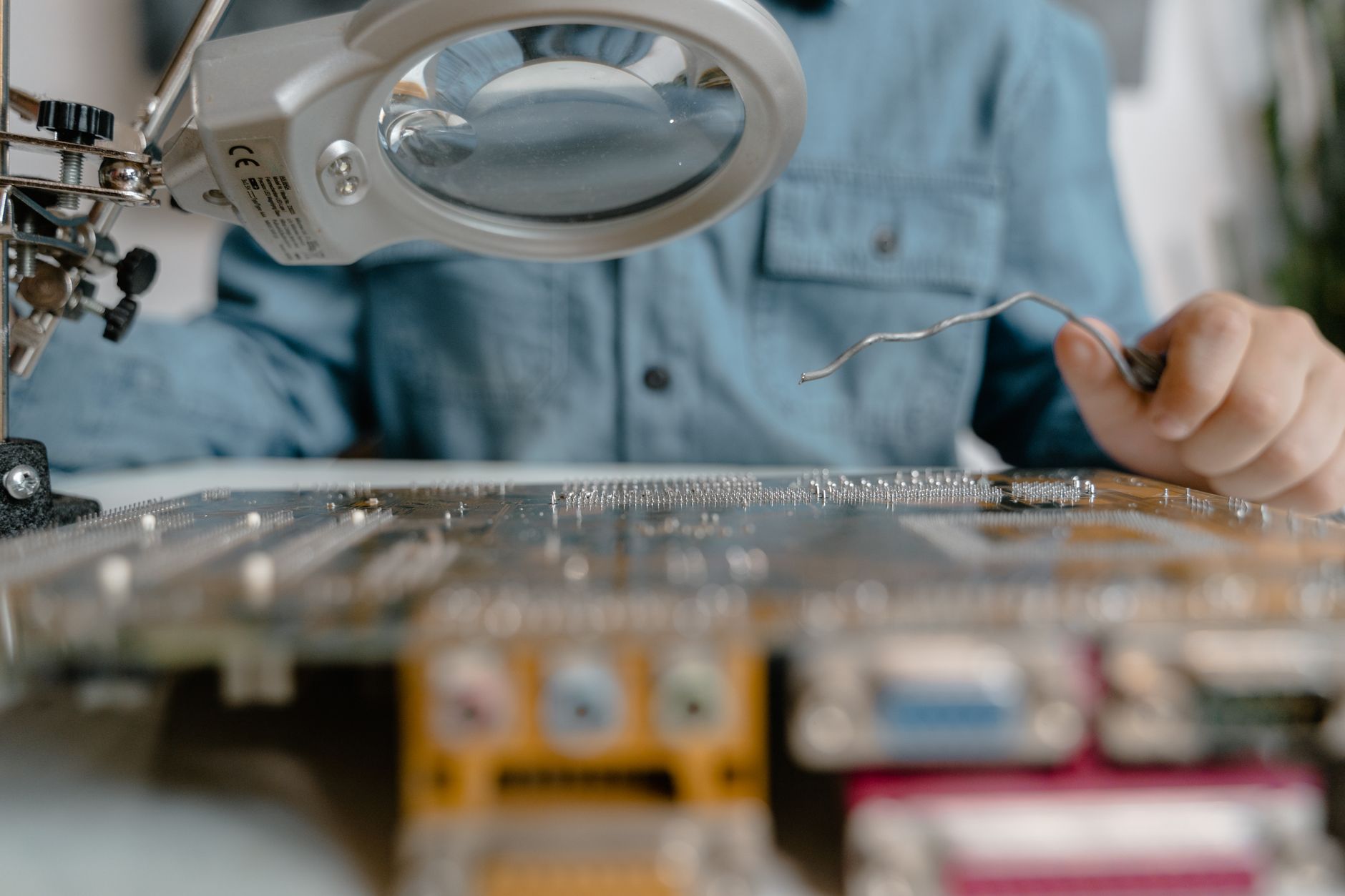
Common Mistakes When Choosing Thermal Camera Cores
Avoid costly errors when choosing thermal camera cores for OEM systems, from waveband and NETD to interface, optics, and integration trade-offs.
Read More →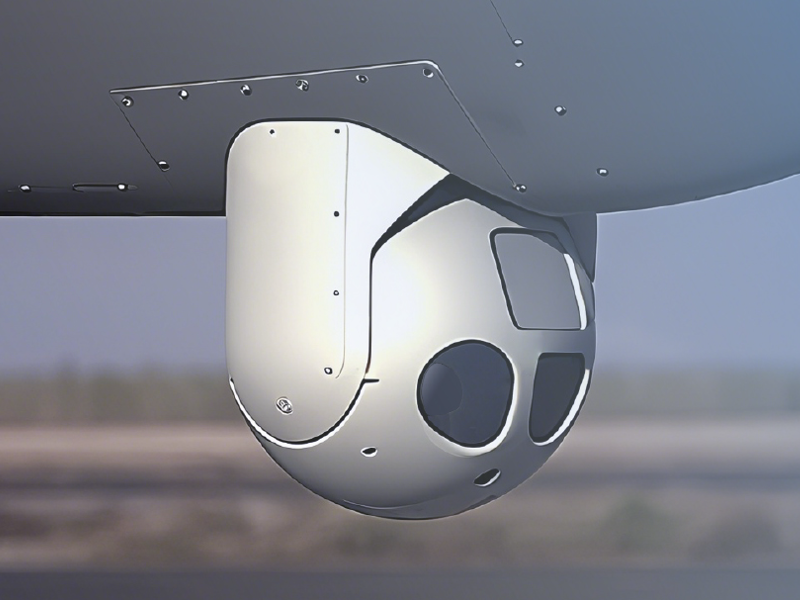
Impact of the New UAV Export Declaration Rules on EO/IR Imaging Modules
China Customs' announcement on UAV and related item export declarations takes effect on June 30, 2026. This article explains the impact on EO/IR imaging modules, infrared camera cores, dual-band payloads, and counter-UAV systems.
Read More →
What Should You Ask a Supplier Before Buying an Infrared Module?
Infrared module procurement guide for engineers: compare LWIR, MWIR, SWIR, NETD, interfaces, calibration, supply risks, and validation test plans.
Read More →
How Much Does an Infrared Camera Core Cost?
Infrared camera core cost depends on detector type, resolution, pixel pitch, lens, algorithms, and volume. See 2026 price ranges and buying tips.
Read More →
How to Choose an Infrared Module for an EO/IR System
EO/IR infrared module selection guide covering LWIR, MWIR, SWIR, range modeling, interfaces, SWaP, power, environmental fit, and production risk for OEMs.
Read More →
Cooled Infrared vs Uncooled Infrared: How to Choose?
Cooled infrared vs uncooled infrared selection depends on range, NETD, power, cost, frame rate, startup time, and integration complexity.
Read More →
LWIR vs MWIR Thermal Imaging
LWIR vs MWIR thermal imaging explained for OEM teams: wavelength bands, detector types, optics, sensitivity, range, SWaP, integration choices and tradeoffs.
Read More →
Thermal Camera Module Selection for UAV Power Line Inspection
Choosing the right thermal imaging module for drone-based electrical infrastructure inspection — detection requirements, altitude considerations, and recommended configurations.
Read More →
Johnson Criteria for Thermal Imaging
Johnson Criteria for Thermal Imaging explain DRI range, pixels on target, lens choice, and OEM trade-offs for LWIR, MWIR, and multi-band OEM modules.
Read More →