OEM Integration
All articles filed under OEM Integration — 48 articles.

Thermal Camera Modules for Coastal Monitoring
Thermal camera modules for coastal monitoring help OEMs compare LWIR, MWIR, optics, interfaces, calibration, and analytics for harsh marine system designs.
Read More →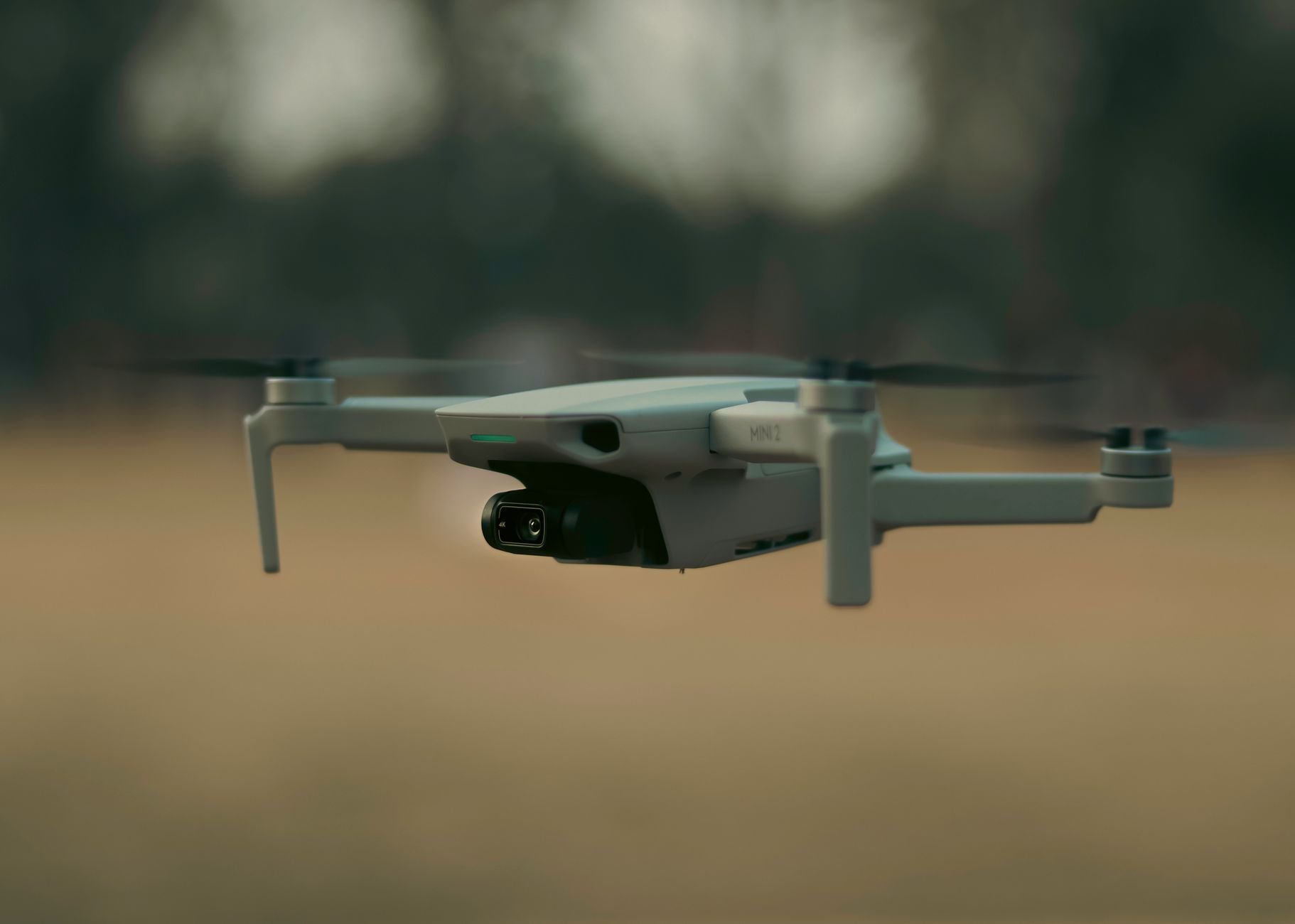
From Core to Payload in Four Months: An OEM's UAV Thermal Camera Integration
How a drone-payload OEM took a 23-gram thermal core from evaluation board to shipping dual-sensor gimbal in four months — the mechanical, thermal and interface decisions that made the schedule, and what they'd do differently.
Read More →
Thermal Camera Modules for Perimeter Security
Thermal camera modules for perimeter security require the right detector, optics, interfaces, and analytics for reliable long-range detection and tracking.
Read More →
How to Test a Thermal Camera Module Sample
Learn how to test a thermal camera module sample for NETD, uniformity, radiometry, interfaces, OEM integration, and production QA release before design-in.
Read More →
What Infrared Module Is Best for Handheld Devices?
Choose the right handheld infrared module by balancing power, size, resolution, interface, imaging range, AI workload, battery life, and supply stability.
Read More →
How to Select a Thermal Module for Handheld Devices
Learn how to select a thermal module for handheld devices by comparing detector band, resolution, optics, power, interfaces, and OEM integration trade-offs.
Read More →
What Parameters Matter for Vehicle Thermal Imaging Systems?
Learn how to choose a vehicle thermal imaging system by comparing LWIR/MWIR bands, NETD, FOV, frame rate, latency, reliability, interfaces, and AI fusion.
Read More →
How to Select a Thermal Module for Vehicle Systems
Select a thermal module for vehicle systems by matching wavelength, resolution, optics, interfaces, ruggedness, processing, and OEM integration needs.
Read More →
Thermal Camera Cores for UAV Payloads
Compare thermal camera cores for UAV payloads by band, resolution, NETD, SWaP, interfaces, stabilization, and OEM integration trade-offs for UAV OEMs.
Read More →