Thermal Imaging
All articles filed under Thermal Imaging — 81 articles.
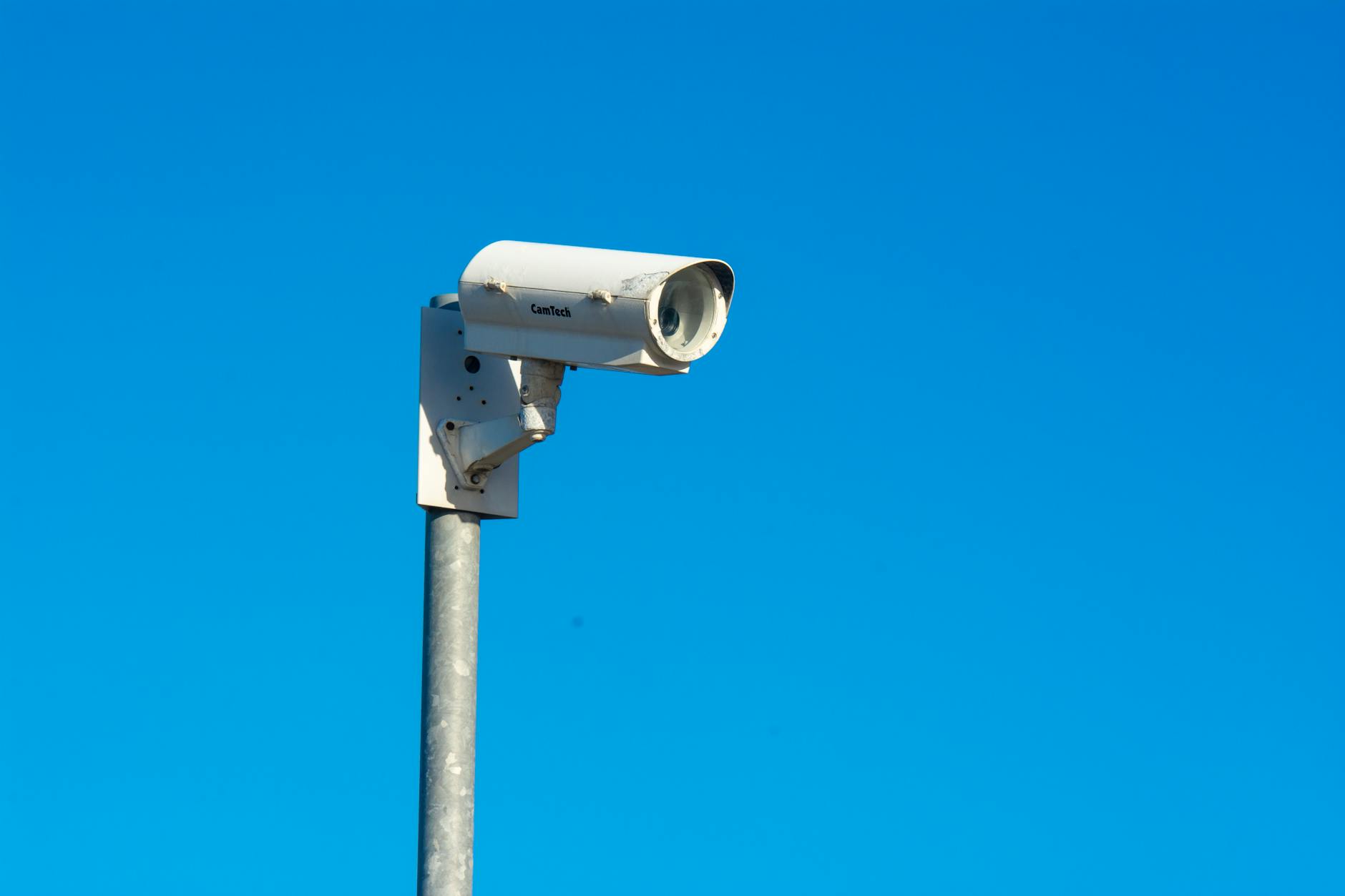
Why Is Thermal Imaging Used More Often in Perimeter Security?
Perimeter security thermal imaging improves night detection, false alarm control, and long-range intrusion monitoring for airports, borders.
Read More →
Thermal Camera Modules for Perimeter Security
Thermal camera modules for perimeter security require the right detector, optics, interfaces, and analytics for reliable long-range detection and tracking.
Read More →
How to Test a Thermal Camera Module Sample
Learn how to test a thermal camera module sample for NETD, uniformity, radiometry, interfaces, OEM integration, and production QA release before design-in.
Read More →
How to Select a Thermal Module for Handheld Devices
Learn how to select a thermal module for handheld devices by comparing detector band, resolution, optics, power, interfaces, and OEM integration trade-offs.
Read More →
How to Select a Thermal Module for Vehicle Systems
Select a thermal module for vehicle systems by matching wavelength, resolution, optics, interfaces, ruggedness, processing, and OEM integration needs.
Read More →
Thermal Camera Cores for UAV Payloads
Compare thermal camera cores for UAV payloads by band, resolution, NETD, SWaP, interfaces, stabilization, and OEM integration trade-offs for UAV OEMs.
Read More →
Does an Infrared Camera Core Need an SDK?
Learn when an infrared camera core SDK is needed for OEM integration, thermal measurement, MIPI/GigE streaming, AI, calibration, and production risk.
Read More →
SDK and Control Protocols for Thermal Camera Modules
Thermal camera module SDK and control protocol guide for OEM engineers integrating video, telemetry, calibration, and device control.
Read More →
Thermal Camera Core Interfaces Explained
Thermal camera core interfaces explained for OEM engineers selecting video, control, power, timing, and data links for embedded IR systems.
Read More →