Why Can a Low-Cost Infrared Module Become More Expensive Later?
A low-cost infrared module is rarely risky because it cannot produce an image at all. The real question is whether it can produce measurable, stable, repeatable images over the full project lifecycle. A purchase price that is 20%–40% lower may look attractive at sourcing stage, but one enclosure redesign, one extra thermal-drift compensation cycle, or one batch repair can quickly erase the saving and push the total project cost higher.
Why Is a Low-Cost Infrared Module Not Always Cheap?
The quoted price of an infrared module is only one part of total cost of ownership. In engineering programs, the larger costs often appear after the purchase order: secondary development, optical-mechanical redesign, algorithm adaptation, system-level calibration, environmental testing, after-sales repair, field maintenance, and downtime.
For example, assume a 640×512 LWIR module is RMB 800 cheaper per unit. For 100 units, the procurement team saves RMB 80,000. But if incomplete interface documentation causes two engineers to spend three additional weeks debugging integration, and each engineer costs RMB 30,000–50,000 per month fully loaded, labor alone can add roughly RMB 45,000–75,000. If the project then requires one more pilot-production rework cycle, the apparent saving is almost gone.
This is why engineering buyers should not evaluate infrared imaging modules only by BOM price. The more relevant question is whether the supplier reduces or transfers downstream engineering work. A module with transparent specifications, complete documentation, repeatable calibration, and stable production quality may cost more up front but reduce system risk.
For projects that need stable imaging, standard interfaces, and long-term supply, it is worth evaluating modules such as the SPECTRA L06A 640×512 LWIR 12μm, where resolution, pixel pitch, and application boundaries are clearly defined.
How Do NETD, Bad Pixels, and Thermal Drift Increase Debugging Cost?
Low-cost modules often differ from higher-grade modules in three areas: NETD, bad-pixel control, and thermal-drift consistency.
In many practical applications, if NETD degrades from ≤40 mK to 60–80 mK, the image may still look acceptable to a human observer. However, low-temperature-difference target detection, edge extraction, segmentation, and AI detection can degrade significantly. The module still “works,” but the backend algorithm must work harder, and false alarms or missed detections become more likely.
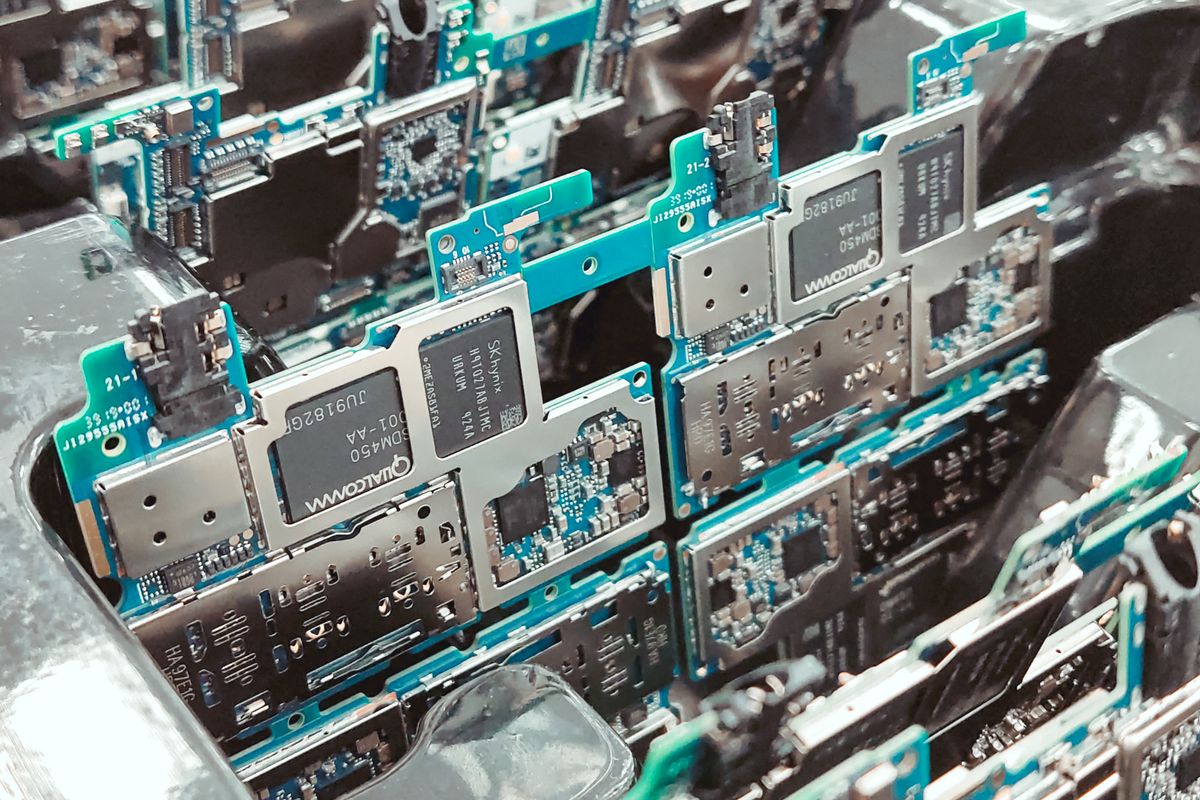
Bad pixels create another hidden cost. If the bad-pixel rate rises from 0.03% to 0.1%, a 640×512 image may increase from about 98 bad pixels to about 328 bad pixels. That means the backend ISP or host processor needs more aggressive replacement, interpolation, and neighborhood-repair logic. If bad pixels are clustered or unstable over temperature, correction becomes more complex.
Thermal drift is often even more expensive. If grayscale output is not controlled when the complete system operates from -20°C to +60°C, the engineering team may need multi-point NUC, temperature-table compensation, additional factory calibration, or even field recalibration. These tasks consume engineering time and can affect delivery schedules.
ISO 18434-1:2008 provides baseline guidance on infrared thermography procedures, data interpretation, and reporting for condition monitoring. For personnel competence, ISO 18436-7:2014 covers qualification requirements for thermographic testing personnel.
Low-Cost Infrared Module vs Standard Module: Which Is Easier to Integrate?
A low-cost module may provide a basic video stream, but system integration usually needs more than video. Mature projects often require a stable SDK, synchronization signals, temperature metadata, NUC control, bad-pixel table import, parameter storage, trigger modes, and reliable firmware upgrade tools.
If these controls are missing or poorly documented, the backend system absorbs the cost. For UAVs, vehicles, gimbals, robots, and perimeter security systems, interface latency and frame synchronization can matter more than unit price. A 30 Hz module that adds 80–120 ms of extra delay in an AI recognition pipeline can cause bounding boxes to lag behind moving targets. That lag may be acceptable in a lab demo but unacceptable in vehicle, airborne, or tracking applications.
Interface risk also creates hardware cost. If MIPI, GigE, LVDS, or Camera Link documentation is incomplete, the host board may need redesign. A single PCB revision can cost more than the original module discount, especially after EMC, thermal, and mechanical constraints are included.
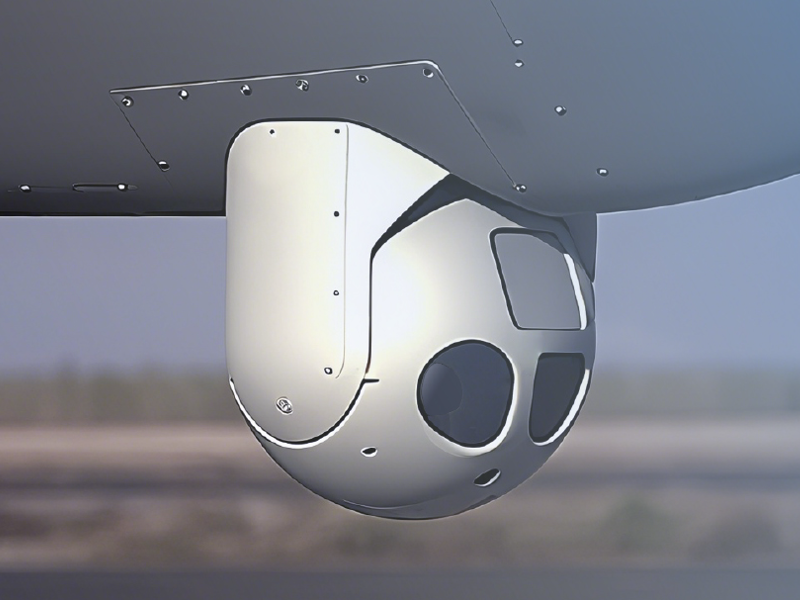
Visible-light and infrared fusion adds another layer. Pairing two separate cameras late in the project often introduces alignment, synchronization, and mechanical tolerance problems. For applications that need dual-band imaging from the beginning, a purpose-built module such as the FUSION LV0625A 640×512+2560×1440 MIPI 35mm is usually more controllable than assembling two independent camera paths after the design is already underway.
When Does Reliability Make a Cheap Infrared Module Expensive?
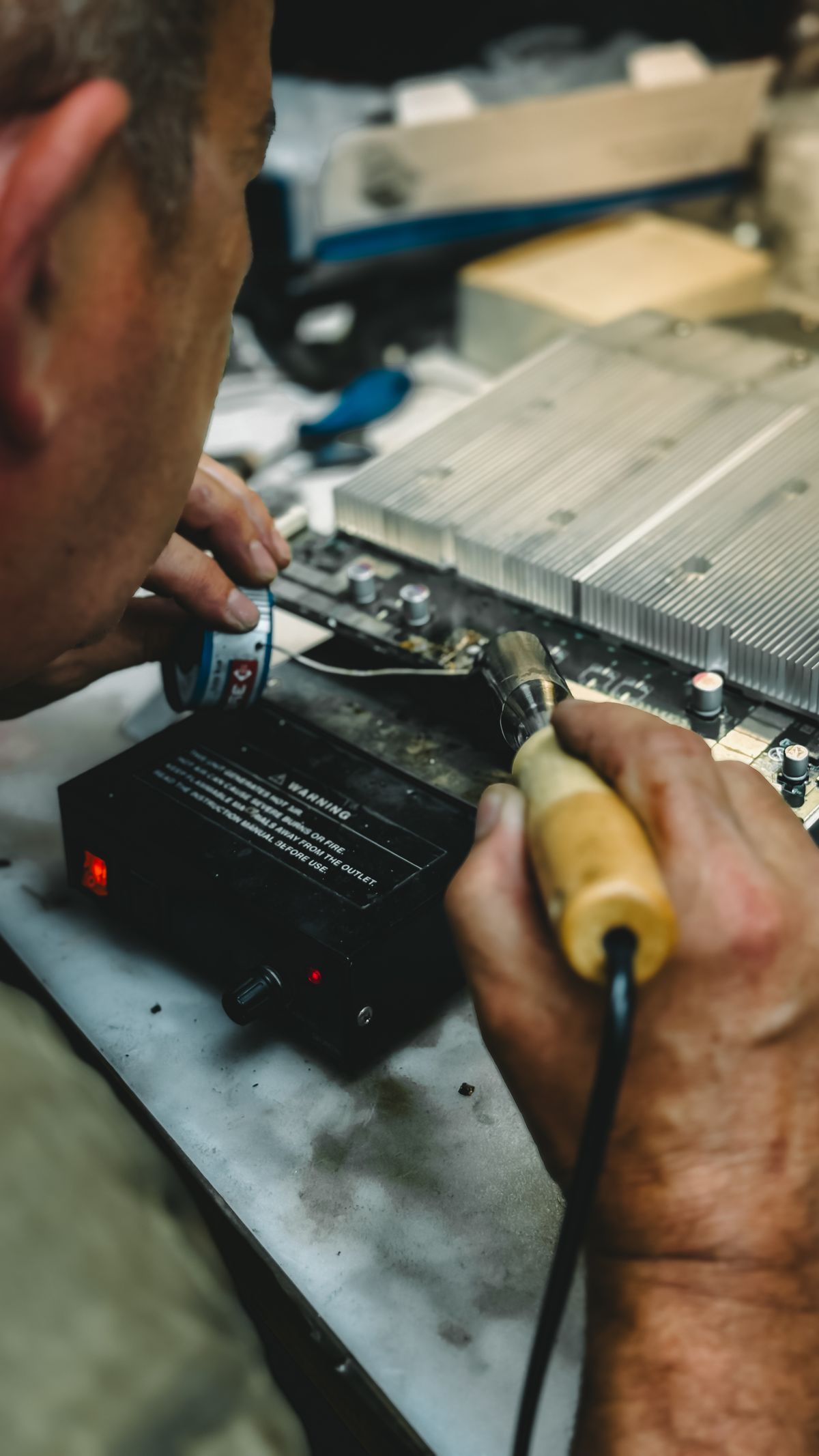
Once an infrared module is integrated into a finished system, the most expensive item is usually not the module itself. The true cost is disassembly, return logistics, factory repair, recalibration, customer downtime, and damage to delivery confidence.
A low-cost option becomes risky if it does not clearly specify operating temperature, vibration, shock, MTBF, cooler life, power stability, startup behavior, or long-term supply availability. These risks may stay hidden during prototype evaluation and appear only after batch production or outdoor deployment.
In Power Inspection, one false judgment can lead to repeated tower climbing, unnecessary reinspection, or missed overheating points. In security and industrial monitoring, unstable image quality can increase false alarms and reduce operator trust. In mobile systems, low-temperature startup, vibration resistance, weight, and power consumption all influence mission availability.
Cooled MWIR modules require additional attention. Buyers should evaluate cooler lifetime, cool-down time, peak power, optical aperture, vibration behavior, and system power margin. For example, when sourcing a product such as the SPECTRA M06A 640×512 Cooled MWIR 15μm, procurement and engineering teams should review not only detector resolution, but also cooling time, lens requirements, and power-budget impact on the full system.
How Should Engineers Calculate Total Cost of Ownership for Infrared Modules?
The practical recommendation is simple: buy by total cost of ownership, not by the lowest quotation. A sourcing spreadsheet should be expanded into a TCO table with at least eight items: module unit price, lens cost, development labor, calibration fixture cost, environmental testing, certification rework, expected repair rate, and supply lead time.
At prototype stage, suppliers should provide raw images, thermal-drift data, bad-pixel strategy, interface documentation, SDK examples, firmware-control instructions, and batch-consistency data. A good sample image is not enough. The engineering team should ask how image quality changes across temperature, how NUC is triggered, how parameters are stored, how bad pixels are mapped, and how consistent the next 100 units will be.
The decision rule is also straightforward. If the project is a short-term proof of concept, teaching demo, or low-risk internal validation, a low-cost infrared module may be acceptable. If the project will enter batch delivery, outdoor deployment, AI recognition, thermography, or security operation, the safer choice is usually a module with transparent specifications, complete interfaces, proven reliability, and sustainable supply.
A low purchase price can be negotiated. Uncontrolled engineering cost after system integration is much harder to recover.
FAQ
Q1: Is a low-cost infrared module always a bad choice?
No. Low-cost modules can be suitable for lab validation, teaching demonstrations, short-term experiments, or low-risk monitoring. For production, outdoor use, temperature measurement, and AI detection, buyers must evaluate NETD, thermal drift, interface completeness, reliability, and batch consistency.
Q2: What data should procurement ask for before buying an infrared module?
Ask for resolution, pixel pitch, NETD, frame rate, operating temperature, bad-pixel rate, NUC method, interface protocol, SDK support, power consumption, mechanical drawing, calibration method, and supply lead time.
Q3: Why does a prototype infrared module look good but fail in production?
Prototype units may be selected, tuned, or tested individually. Production depends on batch consistency, calibration workflow, environmental adaptability, supplier quality control, and whether the same imaging performance can be maintained across many units.
Q4: How can I know whether later costs will exceed the purchase saving?
Quantify engineering debugging time, PCB or enclosure redesign, factory rework, field maintenance, and downtime. If one board revision or batch repair costs more than the procurement saving, the low-price option is no longer economical.