Infrared Imaging
All articles filed under Infrared Imaging — 23 articles.

Is a Higher Infrared Camera Core Frame Rate Always Better?
Explains infrared camera core frame rate for motion targets, integration time, NETD, interface bandwidth, and 30Hz/60Hz/120Hz selection limits.
Read More →
How Does Infrared Module Power Consumption Affect System Design?
Infrared module power consumption affects power supply, cooling, battery life, enclosure size, startup margin, and OEM reliability.
Read More →
Why Industrial Equipment Inspection Depends on Infrared Thermography
Infrared thermography for industrial equipment inspection helps detect overheating, bearing friction, insulation loss, furnace faults, and maintenance risks.
Read More →
Can Infrared Modules Be Used on Drones?
Learn how to choose an infrared module for drones by matching resolution, weight, power, interface, stabilization, and temperature measurement needs.
Read More →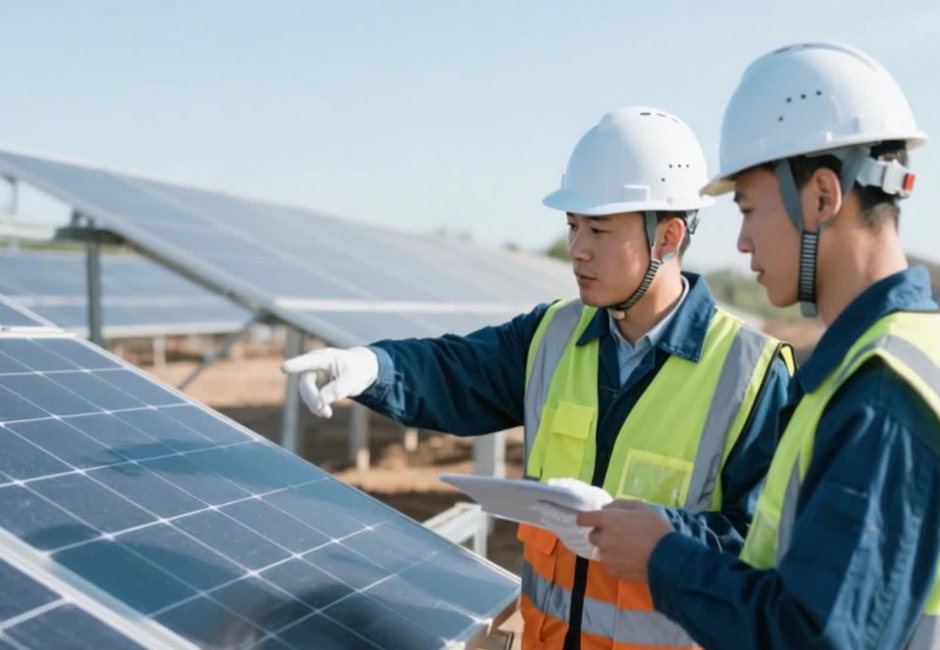
Why Is Infrared Thermography Well Suited for Photovoltaic Panel Inspection?
Photovoltaic panel infrared thermography helps detect hot spots, diode faults, junction-box heating, and UAV inspection risks without shutdown.
Read More →
Why Do UAV Gimbals Commonly Use Infrared Cores?
Explore why a UAV gimbal infrared core extends drone missions into night, smoke and low light, with LWIR, MWIR and dual-band selection guidance for teams.
Read More →
Which Infrared Core Should You Choose for a UAV Gimbal?
UAV gimbal infrared core selection guide covering LWIR, cooled MWIR, 1280 HD, dual-band imaging, power, interfaces, range, and temperature data.
Read More →
What Are the Common Interfaces for Infrared Modules?
Infrared module interfaces guide for MIPI, USB, GigE, LVDS, Camera Link, UART, CAN, SPI, with bandwidth, distance, and integration tradeoffs for OEM design.
Read More →
What Should You Check During Infrared Module Sample Testing?
Infrared module sample testing guide for NETD, defects, drift, interfaces, latency, environment, optics, and production readiness.
Read More →